Are you frustrated with your new phone constantly losing its connection? The Samsung Galaxy S26 Ultra, despite its advanced features, can sometimes struggle with wifi always disconnecting on Galaxy S26 Ultra. This is particularly annoying when you’re trying to browse the web or stream your favorite shows.
Even with cutting-edge hardware, early software quirks can lead to persistent connection problems. But don’t worry! Most of these WiFi connection issues can be resolved with simple adjustments in your settings.
This guide will walk you through proven troubleshooting methods to help stabilize your connection. We’ll cover common causes of disconnections, provide a step-by-step sequence to address each issue, and share maintenance tips for long-term stability.
By the end of this article, you’ll have the knowledge to ensure a reliable connection on your device, allowing you to enjoy all the features your new phone has to offer.
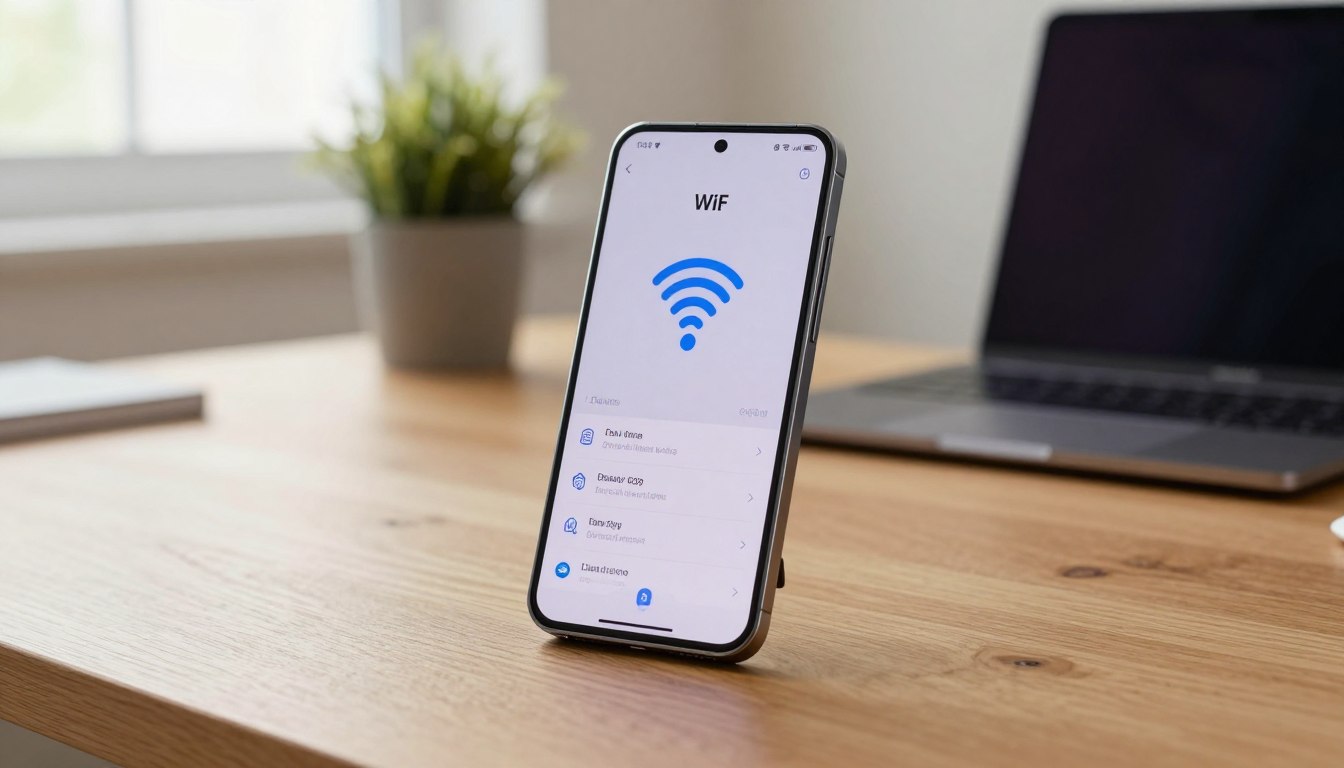
Understanding Common Causes of WiFi Disconnection on Your Galaxy S26 Ultra
Experiencing disconnections can be frustrating, especially when you rely on your phone for connectivity. Several factors can contribute to these issues. By understanding the common causes, you can effectively troubleshoot and resolve them.
One significant factor is the network mode setting. If your device is stuck on a slower type, such as “LTE/3G/2G,” it may miss faster connections. To ensure optimal performance, navigate to Settings > Connections > Mobile networks > Network mode. Select “5G/LTE/3G/2G (auto connect)” to enhance your connection.
Network Mode and Connection Issues
Using the wrong network mode can lead to frequent drops. The Galaxy S26 Ultra is designed to utilize the fastest available connection. When it defaults to a slower type, it can cause unexpected WiFi drops. Regularly check this setting to ensure you are connected optimally.
Interference from Background Apps and Data Usage
Background applications can silently consume your bandwidth. These apps often sync data, refresh content, and update without your knowledge. This can overwhelm your current connection and lead to disconnections.
Utilizing One UI 8.5’s Data Saver feature can help manage this issue. It identifies which apps are using the most data and allows you to restrict their background activity. This can significantly improve your connection stability.
Software Glitches and Outdated Updates
As a device released in 2026, the Galaxy S26 Ultra may have early software bugs. These can affect modem performance and lead to intermittent disconnections. Regular updates are essential to patch these issues.
To check for updates, go to Settings > Software update > Download and install. Ensure your device has a stable connection and at least 50% battery before proceeding with updates.
VPN and External Network Factors
If you use a VPN, consider disabling it temporarily. VPNs route all your internet traffic through a remote server, which can introduce latency and slow down your connection. This may manifest as disconnection problems.
External factors can also impact your connection. Router configurations, DHCP lease times, and DNS server responsiveness can affect how your device interacts with the network. Be aware of these factors to minimize connection drops.
Understanding these common causes empowers you to apply targeted fixes. Most disconnection problems stem from software settings rather than hardware defects. This knowledge can save you from unnecessary factory resets or assumptions of hardware failure.

How to Fix WiFi Always Disconnecting on Galaxy S26 Ultra: A Step-by-Step Guide
Is your device struggling to maintain a stable internet connection? You can take several steps to improve the situation. This guide will help you navigate through essential settings and adjustments to enhance your connection.
Check and Adjust Network Mode Settings
Start by ensuring your network mode is set correctly. Navigate to Settings > Connections > Mobile networks > Network mode. Make sure it’s set to “5G/LTE/3G/2G (auto connect).” This prevents your phone from locking onto slower network types that can disrupt your connection.
Clear Cached Data From Your Internet Browsers
Corrupted cache files can lead to browsing stalls and connection errors. For Samsung Internet, open the app and tap the three-line menu. Go to Settings > Privacy and security > Delete browsing data. Select “Cached images and files” and “Site data,” then hit delete.
If you use Chrome, tap the three-dot menu, go to History > Clear browsing data. Choose a time range like “All time” and ensure “Cached images and files” is checked before clearing.
Enable Adaptive WiFi and WiFi Power Saving Mode
To enhance your connection, head to Settings > Connections > WiFi. Tap the three-dot menu in the top right and select Intelligent WiFi. Here, you can toggle on “Switch to mobile data” for seamless transitions. Additionally, enable “WiFi power saving mode” to maintain a stable connection.
Activate Data Saver to Limit Background Activity
Limiting background data can significantly improve performance. Go to Settings > Connections > Data usage > Data saver and toggle it on. This will restrict background data for all apps by default. You can customize exceptions in “Allow background data usage” for essential apps like email.
Reset Network Settings to Resolve Persistent Issues
If problems persist, consider resetting your network settings. Navigate to Settings > General management > Reset > Reset network settings. This action will erase all saved WiFi networks, Bluetooth pairings, and mobile data configurations. You will need to reconnect to WiFi and re-pair devices afterward.
Perform a Force Restart of Your Device
To clear temporary software glitches, perform a force restart. Press and hold the Volume Down button and the Side/Power button simultaneously for about 10 seconds. Release when you see the Samsung logo on the screen. This method clears issues without deleting personal data.
Manually Change WiFi DNS Settings for Better Speed
Changing your DNS settings can improve speed. Go to Settings > Connections > WiFi. Tap the gear icon next to your connected network. Select Advanced > IP settings and change it from “DHCP” to “Static.” Enter Google DNS (8.8.8.8 and 8.8.4.4) or Cloudflare DNS (1.1.1.1 and 1.0.0.1) for faster website resolution.
Each step in this guide addresses a specific potential cause of disconnection. After completing each step, test your connection to identify which solution resolves your issue. By following these steps, you can significantly enhance your device’s connectivity.

Additional Tips to Maintain a Stable WiFi Connection on Your Galaxy S26 Ultra
If you’re looking to improve your phone’s connectivity, consider these helpful tips. Keeping your device updated and properly configured can lead to a better internet experience.
Keep Your Device Software Updated
Regularly check for software updates on your phone. Navigate to Settings > Software update > Download and install. Updates often include stability improvements and patches for connectivity issues that may arise after the device’s launch.
Disable VPN Temporarily When Troubleshooting
When facing connection issues, it’s wise to disable any active VPNs. Swipe down from the top of your screen twice to access the full Quick Settings panel. Look for the VPN tile and tap it to turn it off. Alternatively, go to Settings > Connections > More connection settings > VPN to disconnect any active profiles.
Properly Connect to WiFi Networks and Enter Correct Passwords
To connect to a WiFi network, slide down from the top right of the screen and press the settings icon. Then, navigate to Connections > Wi-Fi. Toggle the indicator to turn on WiFi, select your desired network, and carefully enter the correct password before pressing Connect.
If the WiFi network is password protected, a lock icon will appear next to its name. Ensure you obtain the correct password from your network provider or administrator if you encounter connection rejection.
Understand Network Login Portals and Following On-Screen Instructions
Public WiFi networks often require additional steps for access. After connecting, open your internet browser and try to load a website. This action should redirect you to the network’s homepage, where you must follow the on-screen instructions to complete authentication.
Failure to complete this login process may lead to your phone appearing connected but lacking actual internet access. This situation can be mistaken for a disconnection problem.
If you consistently face connection issues, consider contacting the WiFi network administrator. The problem may stem from incorrect connection settings on the network side rather than an issue with your device.
Remember, keeping your device software updated is the most effective long-term strategy for maintaining a stable connection. Each update refines the modem firmware and network handling protocols.
VPN services can complicate connectivity, so disabling them during troubleshooting helps determine if they are the root cause of disconnections. Lastly, double-check your password entry when connecting to secured networks. A single mistyped character can cause repeated authentication failures, mimicking disconnection behavior.
Conclusion
Connectivity issues can be a hassle, but you can take steps to ensure a reliable experience with your device. Most problems stem from software settings, network configurations, and background data usage rather than hardware defects.
Remember to keep your device updated, as ongoing software improvements from Samsung will enhance performance. Solutions like enabling Adaptive WiFi and clearing browser cache can make a significant difference.
Bookmark this guide for future reference, especially after system updates or when connecting to new networks. If issues persist, reaching out to support may be necessary, but such cases are rare.
Ultimately, a stable connection allows you to enjoy fast browsing and smooth streaming. By following these steps, you can unlock the full potential of your device and enhance your daily activities.
We invite you to share your experiences and tips in the comments, fostering a supportive community of users who can help each other navigate connectivity challenges.
2 thoughts on “How to Fix WiFi Always Disconnecting on the Galaxy S26 Ultra”